Meaghan Hackinen
Meaghan Hackinen on ultra-endurance racing, finding freedom in Kyrgyzstan, overcoming personal challenges, and discovering what lies beyond the finish line.
Beyond the finish line: what ultra-endurance cycling teaches us
Ultra-endurance cyclist, Canada
Some cycling adventures are measured in kilometres, others in days without proper sleep. But the most meaningful journeys aren't always about distance, speed or results.
For Canadian ultra-endurance cyclist Meaghan Hackinen, riding has become a way to explore not only the world, but also her own capabilities.
Her journey into competitive ultra-cycling began with randonneuring on the Canadian Prairies before taking her to the Trans Am Bike Race in 2017. Since then, she has explored remote landscapes, challenged herself in demanding bikepacking races and discovered how much can change over the course of a long-distance adventure.
But behind the races and finish-line photographs is another story — one of preparation, resilience, personal challenges and finding freedom in unexpected places.
In this conversation, we talk with Meaghan about what keeps drawing her back to ultra-endurance cycling, the challenges of racing through exhaustion, her experiences in Kyrgyzstan, and why the most important moments aren't always the ones people see.
Meaghan Hackinen is a Canadian ultra-endurance cyclist and bikepacking racer whose adventures have taken her across North America and into some of the world's most remote mountain landscapes.
After discovering randonneuring while living on the Canadian Prairies, she entered the Trans Am Bike Race in 2017. Since then, she has taken on demanding events including the Tour Divide, Silk Road Mountain Race and Taurus Mountain Race.
Driven by curiosity, competition and a love of exploration, Meaghan sees long-distance cycling as an opportunity to discover both new places and her own capabilities.
The conversation
1. How did you first find your way into ultra-endurance cycling and events? Was there a particular ride or event that made you realise this was something you wanted to pursue?
I’ve always had a love of movement and the outdoors. I’m also extremely competitive. As a younger person, I completed some long bike tours across Canada and down the Pacific Coast and Sierra Cascades into Mexico, but really found my community in team sports like rugby and roller derby.
After a couple of knee surgeries in my 20s, however, my physiotherapist suggested I try something a bit gentler. While living in the Canadian Prairies for grad school, I discovered randonneuring, a sport that gave me back the camaraderie I was missing and introduced me to the landscapes of my new home.
By coincidence, the summer I took up randonneuring was the same year Lael Wilcox won the Trans Am Bike Race outright, putting competitive ultra-cycling on my radar. In 2017, I lined up at the start of the Trans Am myself—and the rest is history, I guess!
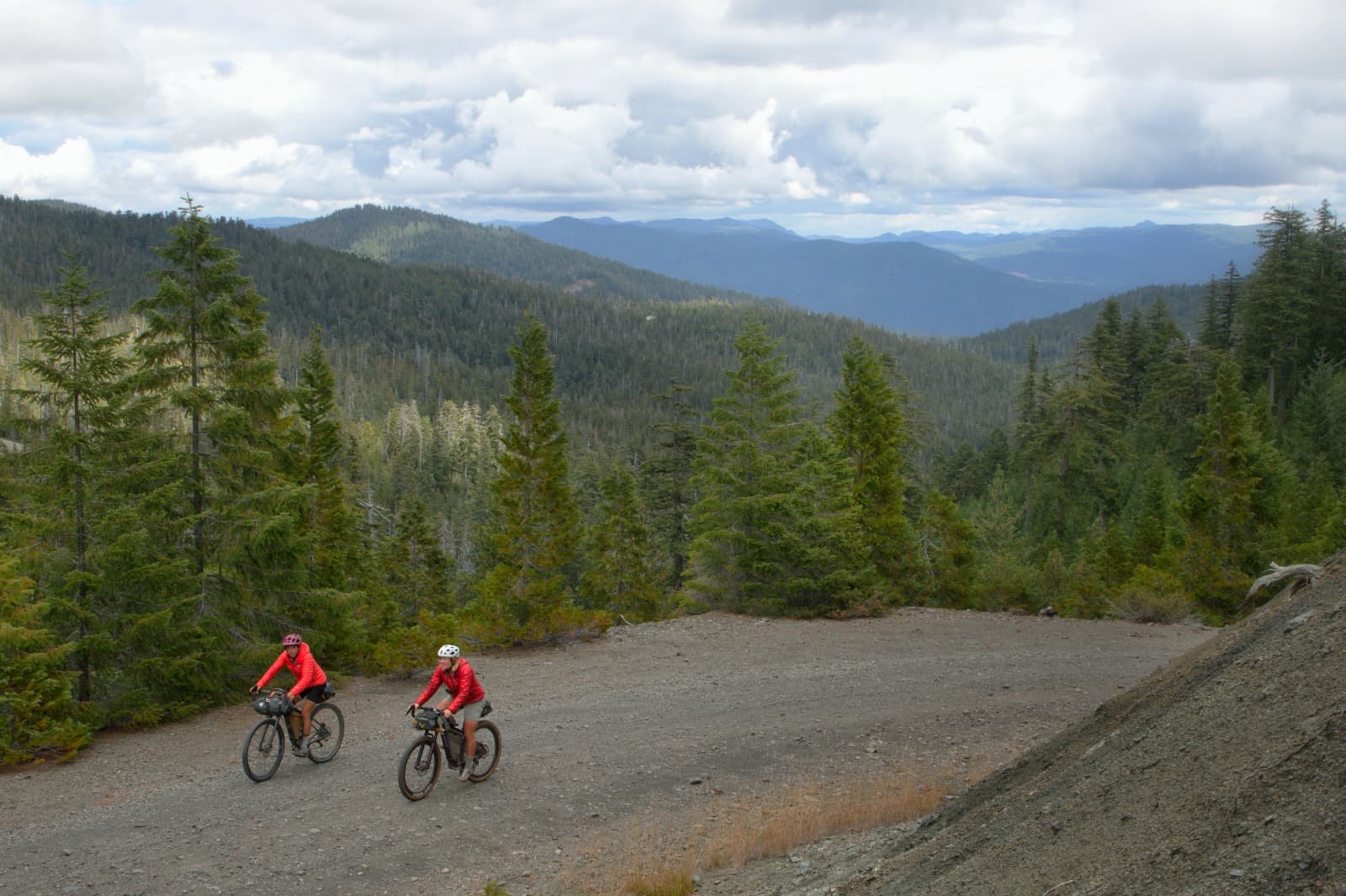
Photo: Chris Gheen
2. You’ve since spent an extraordinary amount of time riding very long distances. What is it about ultra-endurance cycling that keeps pulling you back?
Curiosity, mainly. I wonder what I can do, and what I’ll find out there. As a kid, I had an extraordinary imagination. Bikepack racing gives me a chance to embody that adventure-hungry younger person who dreamed of traversing vast distances through wild landscapes.
Also, as I mentioned, I’m extremely competitive. This can sometimes be my downfall, like when I get too wrapped up in what other people are doing to focus on my own game plan. But overall, I try to channel that competitive energy into preparing for whatever challenge I’ve signed up for and arriving at the start line ready to give my all. I think, at its best, a competitive mindset can bring out the best in us.
And there are still so many types of cycling to explore! I didn’t venture off the pavement until 2021, and I haven’t even tried fat biking yet (despite living in a winter city).
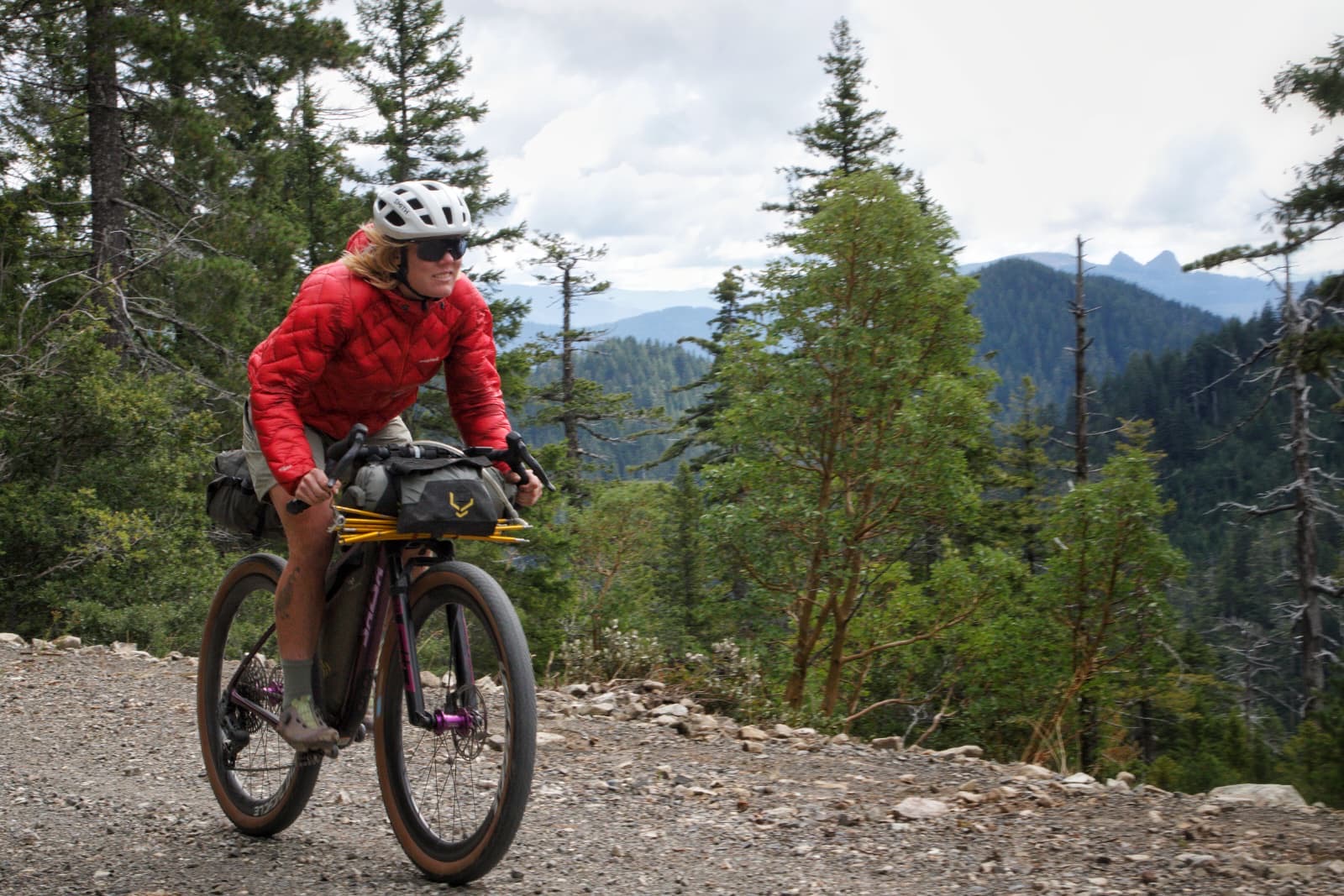
Photo: Chris Gheen
3. Can you remember a moment during a race or adventure when you thought, “Why am I doing this?” — and what made you keep going?
Of course, but not as often as some might think. Most recently, I felt that way while struggling through the peanut-butter death mud during the Taurus Mountain Race.
I kept going because I had no actual reason to quit. Sure, it sucked, but my bike wasn’t broken and my body was fine. Exhausted from scraping mud off and shouldering my bike through it, but fine.
I also know from experience that nothing remains static in ultra-cycling for long. The mud would either get worse (and perhaps trash my bike enough that I’d finally have an excuse to quit) or conditions would improve. My job was simply to keep moving forward.
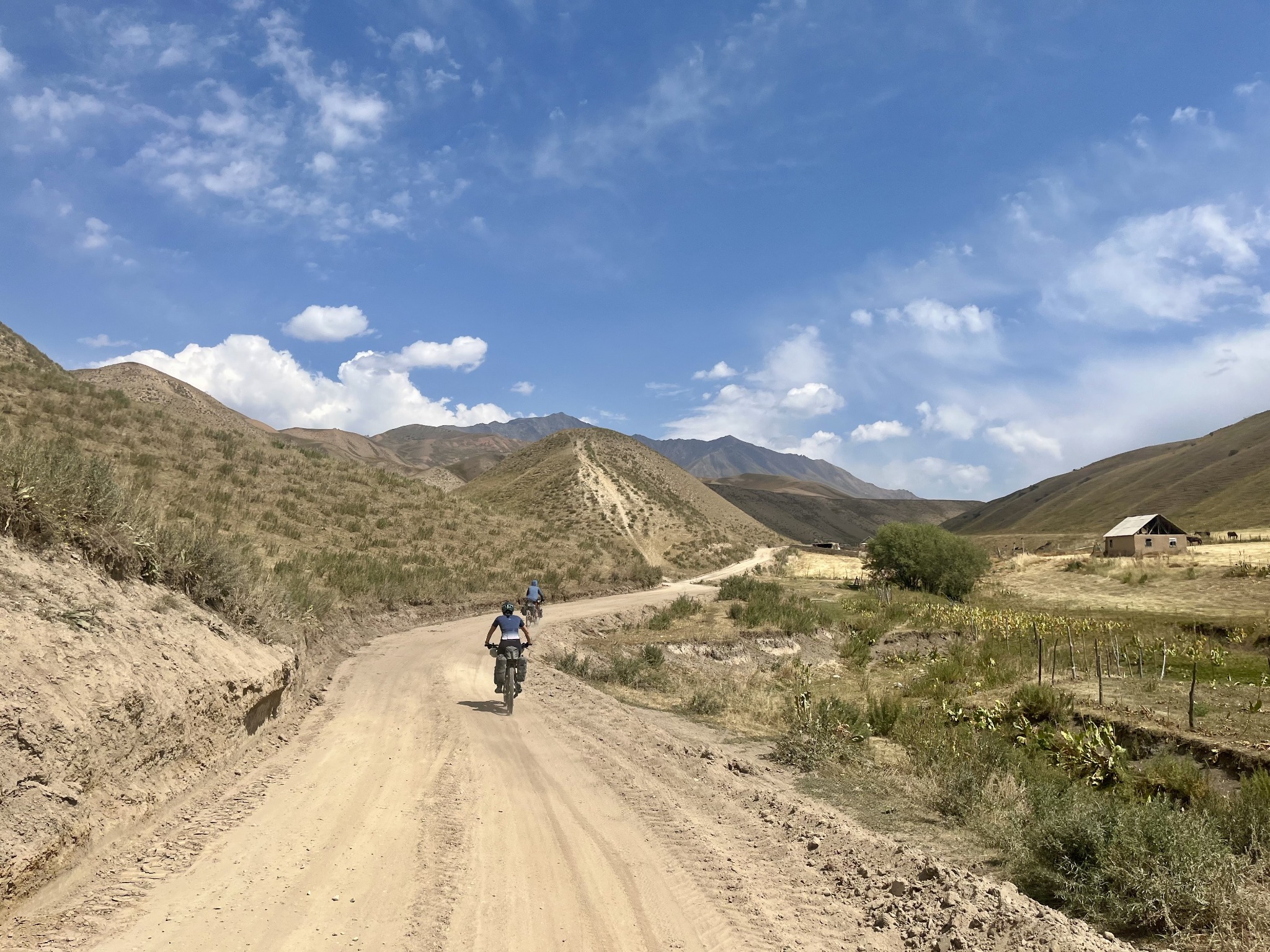
Photo: Meaghan Hackinen
4. When you’re many hours—or days—into an event, what becomes the biggest challenge: the body, the mind, sleep, loneliness, or something completely different?
Deep fatigue is probably my biggest enemy these days. I’ve struggled with loneliness and mindset in the past, but I feel like I’ve learned to manage them better. The balance between rest and racing, however, is something I still don’t seem to get quite right.
When fatigue really sets in, I start to feel like I’m living in slow motion. My discipline and focus fall away, and even simple decisions become difficult. When this inevitably happens, I practise positive self-talk, remind myself to keep fuelling, and try to get a little more sleep to restore some equilibrium. Sometimes stopping is more productive than slugging through like a zombie.
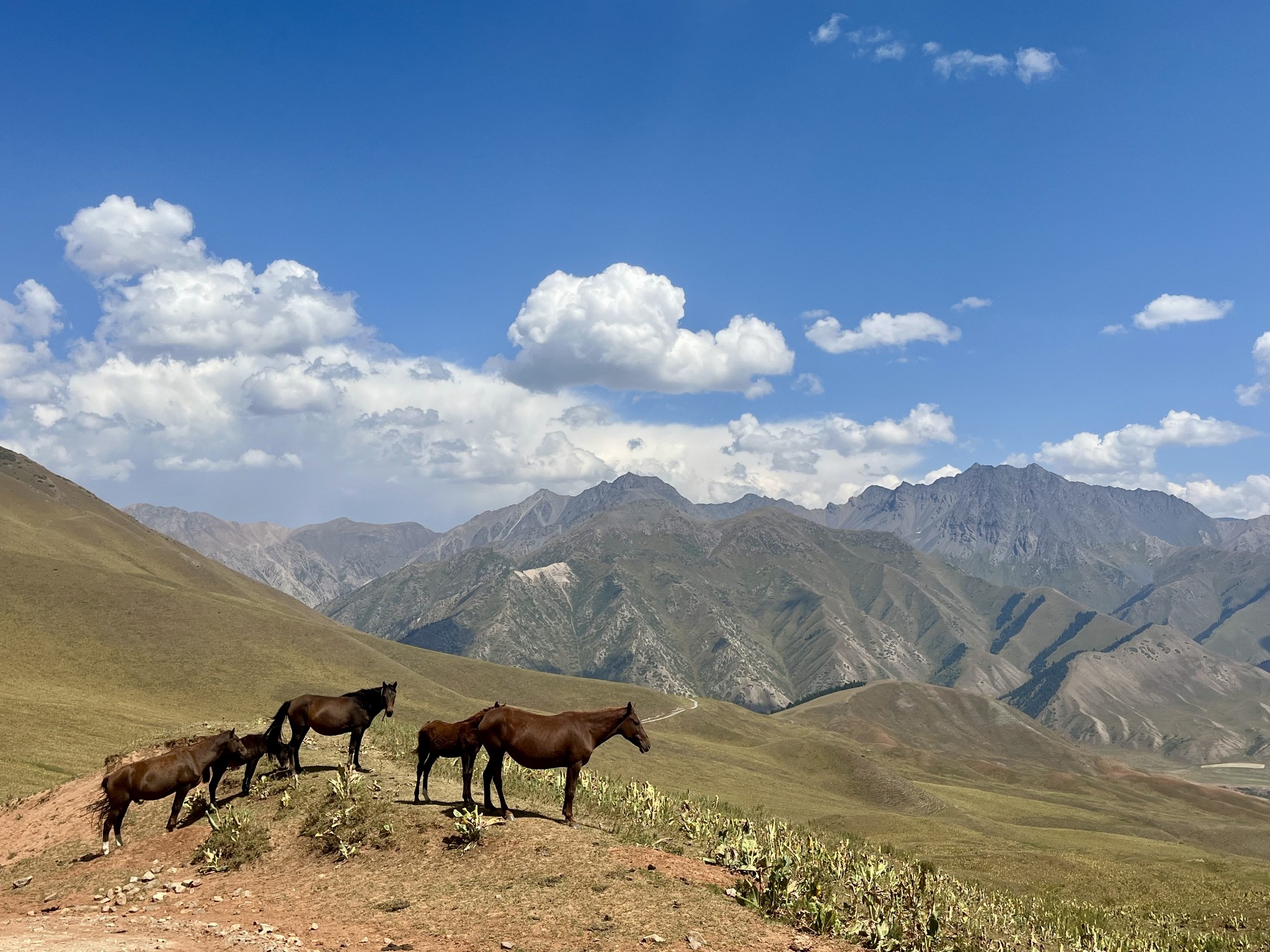
Photo: Meaghan Hackinen
5. Of all the places your bike has taken you, is there one event, route or landscape that has stayed with you more than the others? What made it special?
The wild mountain plateaus of Kyrgyzstan really left an impression on me. I spent five weeks there in 2025, first touring the Celestial Divide, then racing the Silk Road Mountain Race.
My long-term partner and I had broken up earlier that summer, and finding myself alone hit me harder than I’d imagined. But when I started riding out of Bishkek toward the race start in Osh, everything just sort of fell into place. For first time in months, I felt like I was right where I should be.
I camped in the most incredible places and found a sense of freedom I just hadn’t realized I was missing. I’ll always have a special place in my heart for those mountains and the people who call them home.
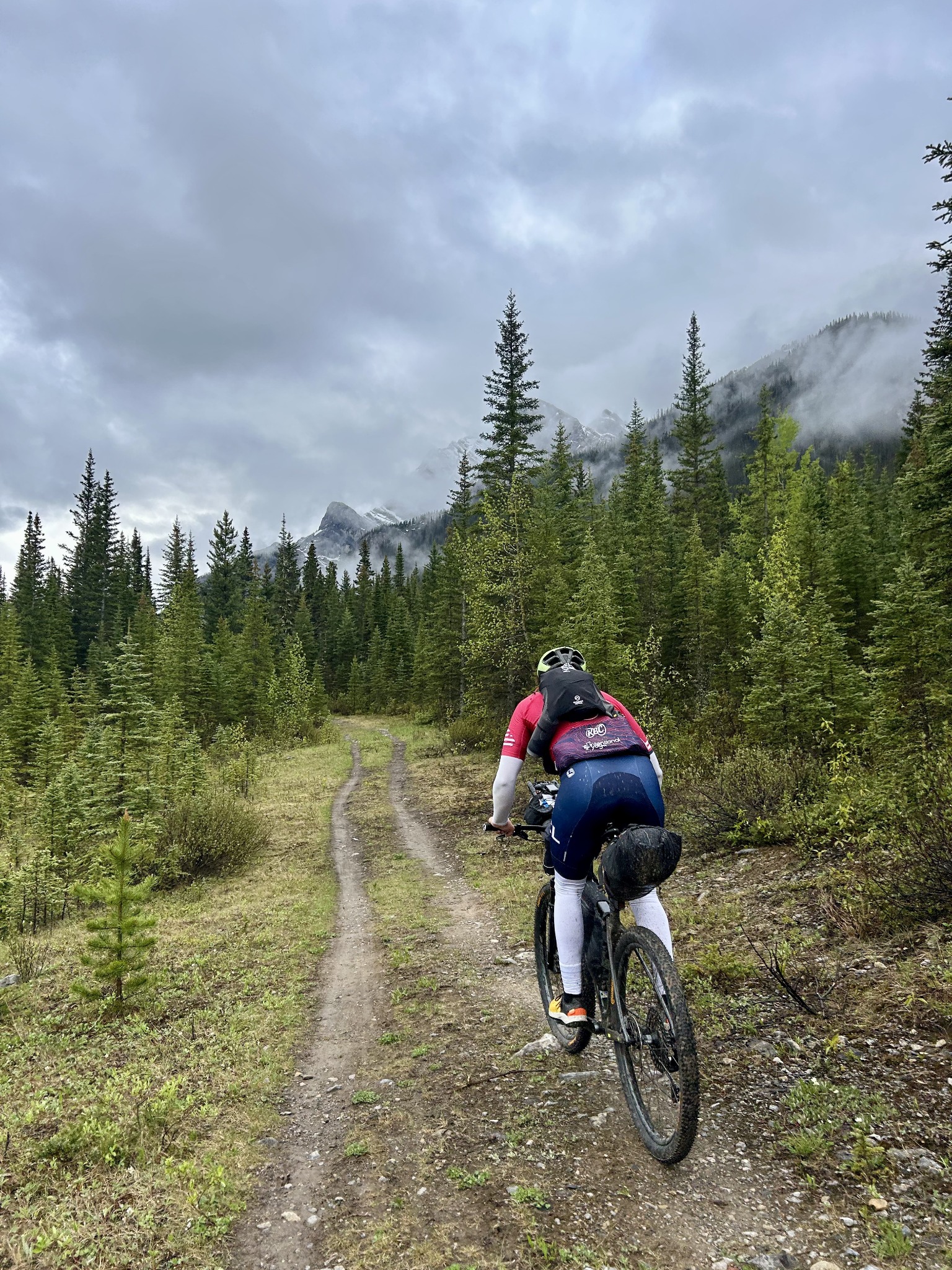
Photo: Meaghan Hackinen
6. Ultra-distance events often take riders far beyond the polished side of cycling. What are some of the moments people don’t see in the finish-line photos?
I think all the preparation and work that goes into getting to the start line sometimes goes unseen. The training, getting the bike ready, studying the route, and the logistics of getting to the start and home from the finish afterwards. It’s a massive undertaking, and feels hard to express in Instagram carousels.
For me, some of the behind-the-scenes work this season meant addressing a longstanding problem with alcohol. Using the Tour Divide finish-line photos at Antelope Wells as an example, the moments people don’t see are the mundane but necessary day-to-day ones in the months that came before: counselling sessions, hours of reflection and journalling, as well disclosing my addiction and speaking honestly for the first time with friends and family as I learned to live in my own skin again.
Those moments might not make for exciting photographs, but they’re as much a part of my story as anything that happened on that record-breaking ride.
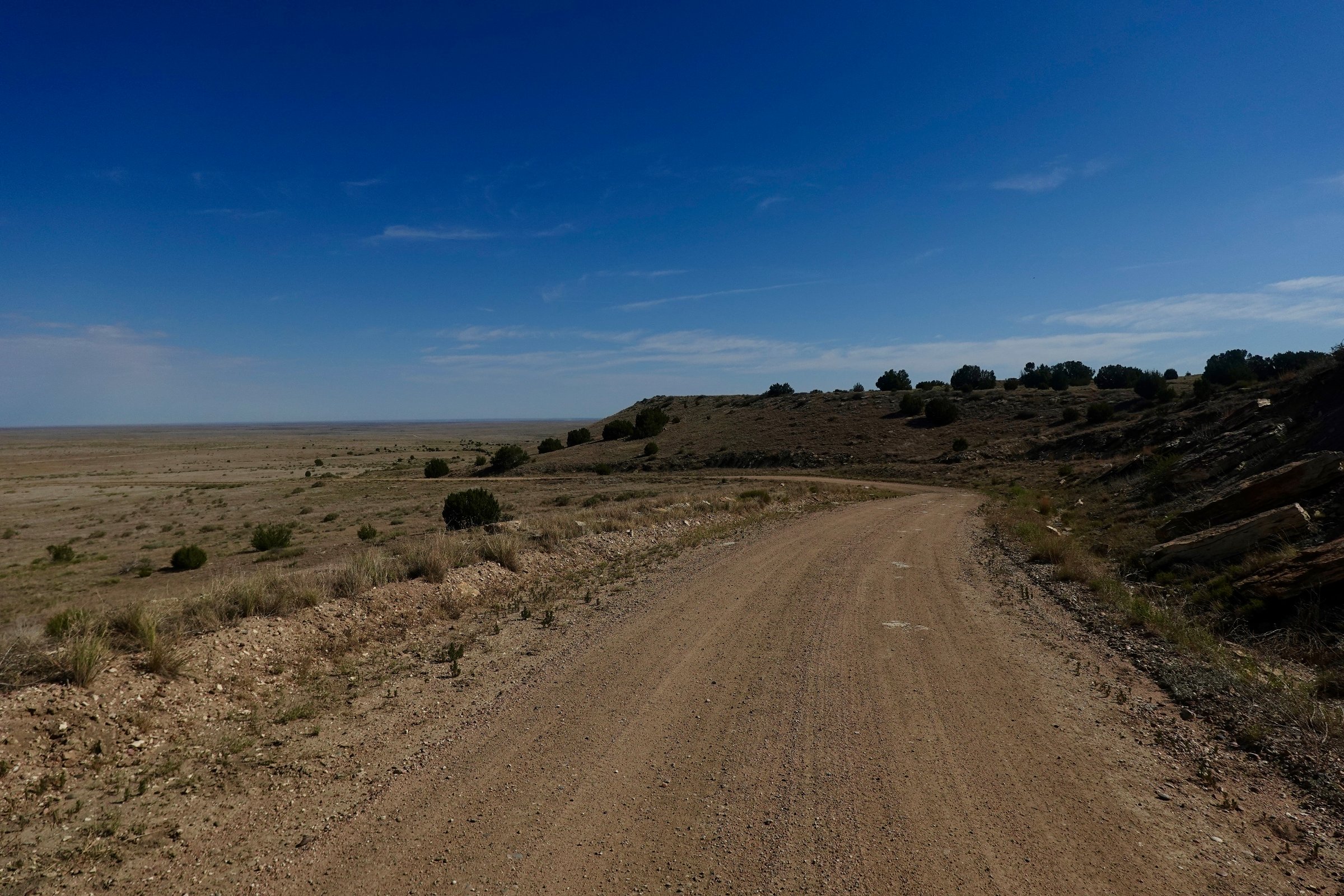
Photo: Meaghan Hackinen
7. Gravel and bikepacking are growing quickly, with more events appearing all over the world. What do you personally look for when deciding that an event is worth travelling for?
I look for three things: an inspiring route, a high calibre of competition, and a great community around the event.
I also try to add some touring to my trips whenever possible, so places with established bikepacking routes, different landscapes, and a culture of hospitality get bonus points. If I’m going to travel halfway around the world for a race, I want to experience more than just the course.
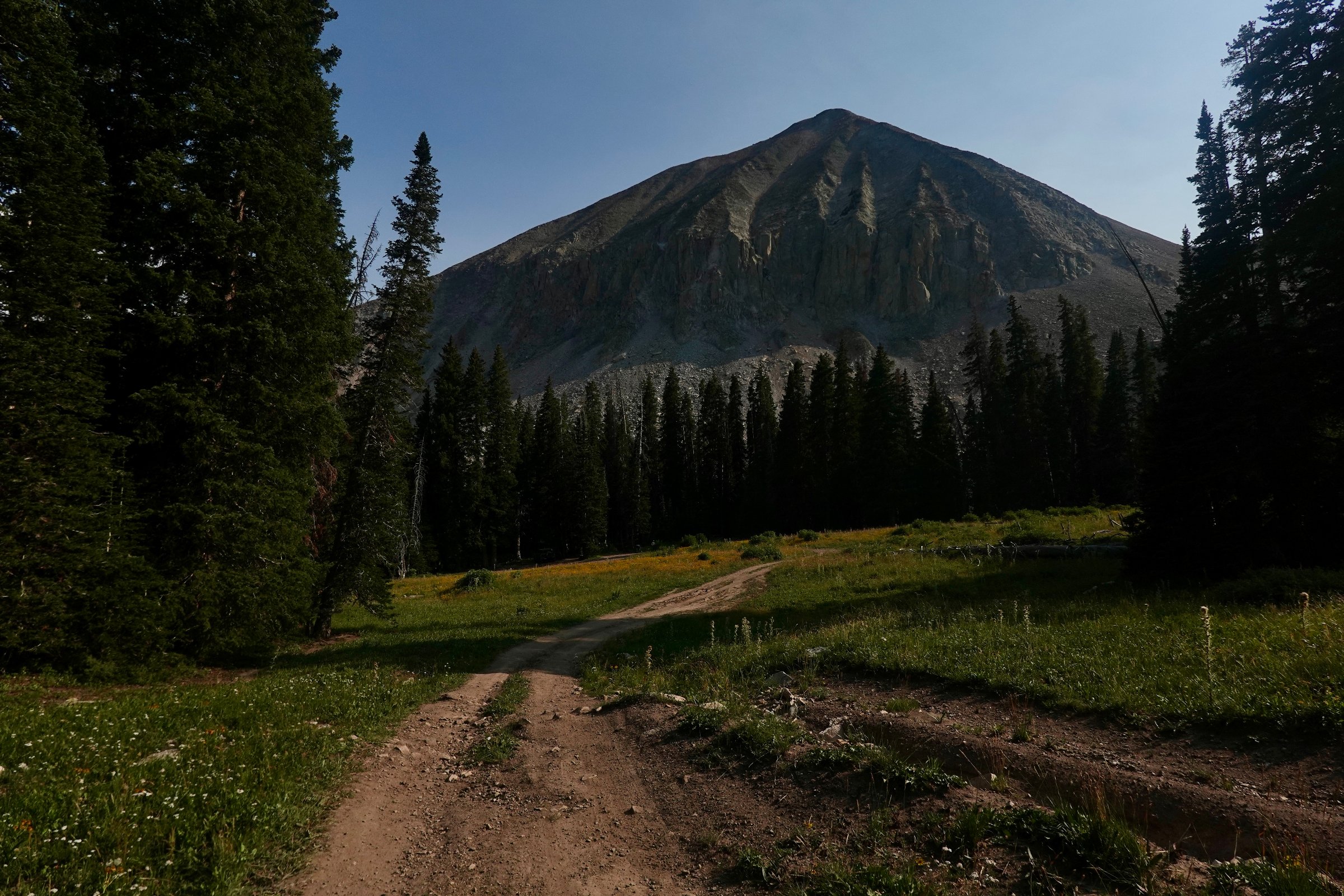
Photo: Meaghan Hackinen
8. For someone looking at their first long-distance gravel or bikepacking event and thinking, “I could never do that” — what would you tell them?
Long-distance adventures have been transformative experiences for me, in part because they’ve shown me that I’m capable of so much more than I once imagined.
I’m not really in the business of convincing people to do things, but I also think there’s tremendous value in taking on a challenge that feels like it’s just at the edge of your reach. Pick something that excites you, prepare as best you can, and give yourself permission to ask questions and figure it out along the way. You’ll come away with some learnings and experiences, and who knows, you might surprise yourself with what you’re capable of.
9. Finally, if you could choose one place in the world for your next completely unknown cycling adventure—no expectations, just a bike and a route ahead—where would you go, and why?
Tough question, but I’m going to say the Peru Divide. I’ve been dreaming about riding through the Peruvian Andes for years: high mountain passes, remote villages, enormous landscapes, and the chance to immerse myself in a place that’s completely unfamiliar.
Explore your next gravel adventure
Inspired by Meaghan's adventures?
From challenging ultra-distance races to unforgettable bikepacking journeys, there's a whole world of gravel cycling waiting to be explored.
Discover gravel and bikepacking events around the world and find your next adventure on gravelevents.com.